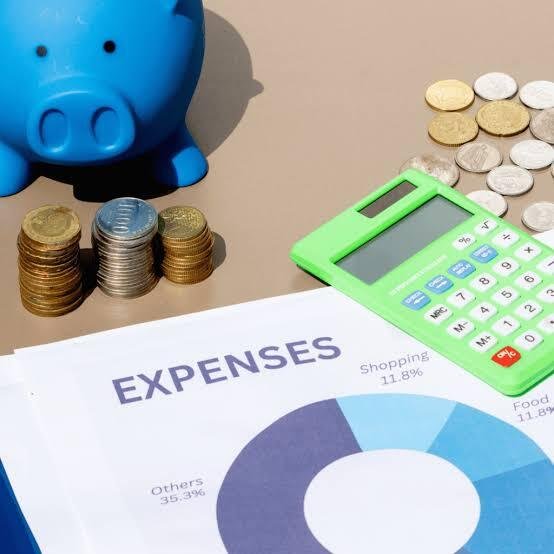
Buying a car, replacing a major appliance, upgrading your computer, paying for a home improvement project, or making another large purchase can put pressure on your finances if you don’t plan ahead.
A large purchase doesn’t necessarily need to disrupt your monthly budget. By setting a realistic spending limit, saving in advance, comparing prices, and considering the total cost of ownership, you can prepare for a major expense more carefully.
The goal isn’t simply to find a way to afford the purchase today. It’s to make sure the purchase remains manageable after you make it.
1. Decide What You Can Actually Afford
Start by looking at your current financial situation.
Review your monthly income, regular expenses, savings, and existing debt payments. Then determine how much money you could realistically put toward the purchase without affecting essential expenses.
Don’t base your budget only on the maximum amount a lender or credit provider might allow you to borrow.
Instead, consider what fits comfortably into your own financial plan.
For example, if you are planning to purchase a $2,000 appliance, your budget should account for the purchase without leaving you unable to pay rent, utilities, groceries, transportation, or other important expenses.
2. Set a Specific Savings Goal
If the purchase isn’t urgent, saving beforehand can reduce the amount you need to borrow.
Start by deciding how much you need and when you would like to make the purchase.
For example, if you want to save $1,200 over six months, you would need to set aside approximately $200 each month.
Breaking a large goal into smaller monthly targets can make it easier to track your progress.
You can also keep the money in a separate savings account so it isn’t accidentally used for everyday spending.
3. Research the Product Before Buying
Before spending a significant amount of money, research what you actually need.
Compare different models, brands, specifications, warranties, and customer reviews. A more expensive option isn’t necessarily the best fit for your requirements.
Make a list of the features that are essential and those that are simply nice to have.
This can help prevent you from paying extra for features you may rarely use.
4. Compare Prices From Multiple Sellers
Once you know what you want to buy, compare prices from several reputable sellers.
Look beyond the advertised price and check whether shipping, installation, taxes, service fees, or accessories are included.
Some retailers may also offer seasonal promotions, coupons, loyalty discounts, or other savings opportunities.
However, don’t assume that a large percentage discount automatically means you’re getting the lowest price. Compare the actual final cost.
5. Consider the Total Cost
The purchase price is only one part of the financial commitment.
Depending on what you’re buying, you may also need to pay for:
- Delivery
- Installation
- Maintenance
- Repairs
- Insurance
- Accessories
- Subscriptions
- Replacement parts
- Operating costs
For example, buying a low-priced appliance may seem attractive, but if it has significantly higher ongoing operating or maintenance costs, the long-term expense could be different from what you initially expected.
Consider both the upfront cost and the costs that may continue after the purchase.
6. Decide Whether You Need to Borrow
If you don’t have enough savings, you may consider financing the purchase.
Before borrowing, compare the interest rate, fees, repayment period, and total amount you would repay.
Don’t focus only on the monthly payment.
A longer repayment period can make the monthly payment smaller but may increase the total amount paid over time.
If you use a credit card, understand the interest rate and repayment terms. Carrying a balance for an extended period can increase the overall cost of the purchase.
7. Avoid Using Your Emergency Savings
A large purchase shouldn’t normally leave you without money available for unexpected expenses.
Emergency savings can be useful when something goes wrong, such as an urgent repair, unexpected bill, or temporary change in income.
If making the purchase would completely drain your emergency savings, consider whether you should wait, save more, reduce the purchase price, or reconsider the timing.
Maintaining some financial flexibility can be especially important after a major expense.
8. Look for Ways to Reduce the Cost
There may be several ways to lower the cost without giving up the purchase entirely.
You could consider:
- Buying during a sale
- Comparing refurbished or certified pre-owned options
- Choosing a previous model
- Using available discounts
- Buying only the features you need
- Waiting for seasonal promotions
- Negotiating where appropriate
- Delaying the purchase until you have saved more
The right approach depends on the product and your circumstances.
9. Don’t Let Urgency Make the Decision
Retailers sometimes use limited-time offers, countdown timers, or low-stock messages to encourage quick purchases.
Some offers may genuinely be temporary, but you should still take time to determine whether the purchase fits your budget.
Ask yourself whether you would still want the product if the promotion disappeared tomorrow.
If the answer is no, you may be responding more to the promotion than to an actual need.
10. Build the Purchase Into Your Monthly Budget
If you decide to finance the purchase or save toward it, include the amount in your monthly budget.
For a savings plan, treat your monthly contribution as a regular financial goal.
For a financed purchase, include the loan or credit payment alongside your existing expenses.
This gives you a clearer picture of how the purchase will affect your finances over the coming months.
11. Consider the Timing
Sometimes the best way to manage a large purchase is simply to wait.
Ask whether you need the item immediately or whether you can delay the purchase while saving additional money.
Waiting can give you time to:
- Build savings
- Compare more products
- Find better prices
- Reduce existing debt
- Review your budget
- Avoid unnecessary financing costs
A short delay can sometimes make a major purchase easier to manage.
Common Mistakes to Avoid
One common mistake is focusing only on the monthly payment. A low payment may come with a longer repayment period and a higher total cost.
Another mistake is forgetting about additional expenses such as maintenance, insurance, delivery, or accessories.
It’s also easy to underestimate how much a large purchase can affect your emergency savings.
Finally, avoid assuming that a discount automatically makes something affordable. A product can still be outside your budget even when it is on sale.
Final Thoughts
A large purchase doesn’t have to derail your finances.
Start by determining what you can realistically afford, set a savings goal, research your options, compare prices, and consider the full cost of owning the item. If you need financing, carefully review the interest rate, fees, repayment period, and total repayment amount.
Most importantly, give yourself time to make the decision.
Planning ahead can help you enjoy a major purchase without putting unnecessary pressure on your everyday budget.